


 INTERNATIONAL


↓ Request a quote and the terms of the deal ↓
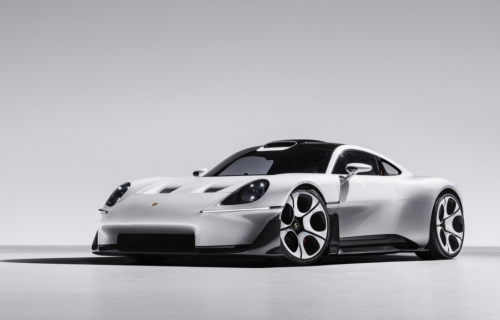
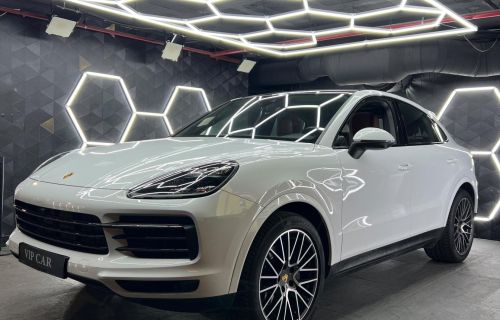
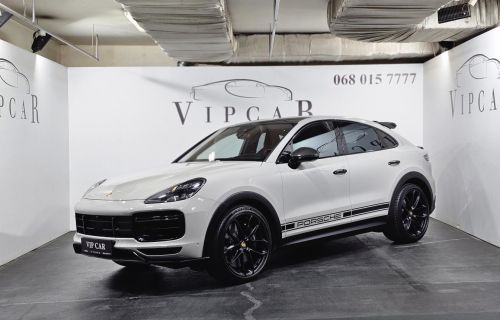
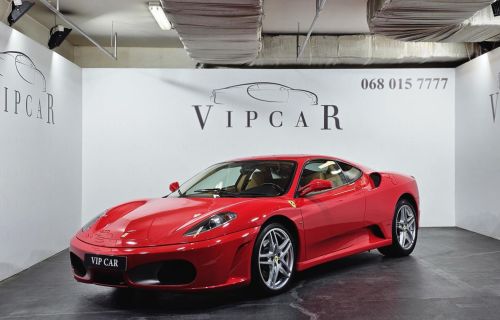
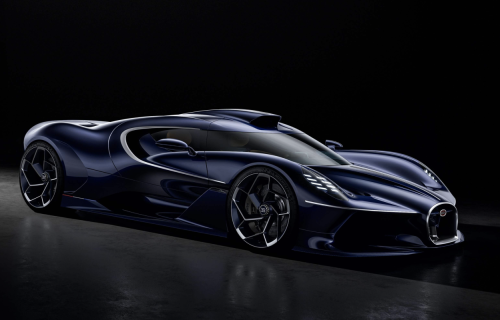
1989 Porsche 959
Porsche 959 1989 year
You can buy this car, as well as any other premium model, from VIPCAR International. We provide a full range of services and delivery to anywhere in the world.
Find out more detailed information by phone.
View Gallery →
- Year: 1989
- Gearbox: mechanical
- Drivetrain: RWD
- Engine: 2.85
- Fuel: petrol
- HP: 450
- 0-60 m/h seconds: 3.7
- State: new
- Market: USA / North America
- Steering wheel position: LHD
- Availability and logistics: EUROPE, USA, UAE, MONACO, UA
- Offer ID: 1009108

Porsche








VIPCAR.International
ESC.C Rimesa-Tino N-340, Km. 175,
29660 Marbella, Malaga,
Spain
Contact: +34 (608) 518-195
(multichannel)
Name: Victor


US575 Madison Ave,
New York, NY 10022,
USA
Contact: +1(216) 624-1095
(multichannel)
Name: Alex
GB55 Baker St,
London W1U 8AN,
United Kingdom
Contact: +44 7404 680040
(multichannel)
Name: Victor
AEIndex Tower, Happiness St, Zaa'beel Second,
DIFC, Dubai,
United Arab Emirates
Contact: +971501681001
(multichannel)
Name: Vadim
UABaseina 6,
01004 Kyiv,
Ukraine
Contact: +380 (68) 015-77-77
(multichannel)
Name: Andrei
HU087/26. hrsz.,
4624 Tiszabezdéd,
Hungary
Contact: +49 (152) 18043649
(multichannel)
Name: Dömötör
KZAl-Farabi Avenue 116/25,
050044 Almaty,
Kazakhstan
Contact: +49 (152) 18043649
(multichannel)
Name: Alexei
MC4 Quai Antoine 1er,
98000 Monaco,
Monaco
Contact: +49 (152) 18043649
(multichannel)
Name: Alex
CZFlorentinum, Na Florenci 2116/15,
110 00 Nové Město,
Czechia
Contact: +49 (152) 18043649
(multichannel)
Name: Alex
CHEsplanade de Pont-Rouge 4,
1212 Lancy,
Switzerland
Contact: +49 (152) 18043649
(multichannel)
Name: Alex
KGAurora Business Center, 1A Igemberdiyev Street,
720005 Bishkek,
Kyrgyzstan
Contact: +996 500 031 511
Name: Konstantin